 
|
Courtney Brewer
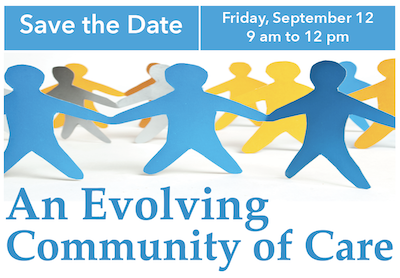
In 2023, the FA in partnership with the Guild of Administrative Officers hosted a professional development event titled “Building a Community of Care.” The well-attended event was a great success, with 70 participants appreciating the day’s conversations about our changing student population, mental health concerns, increasing need for student accommodations and advice on how faculty can care for themselves in the face of increasing challenges. During the roundtable conversations, the room became loud with colleagues sharing concrete, specific suggestions and resources with one another—and it confirmed for us that this is exactly the kind of professional development we need more of at the college. A community of care needs to address the questions What is fueling these ongoing and worsening issues? Where are these problems coming from? When can we expect to see students coming to us with fewer mental health concerns instead of increasingly more serious and chronic challenges? Are these still the lingering effects of COVID on students who were in early adolescence during the pandemic? Many are content to blame the pandemic, and there is no shortage of blame to go around elsewhere: “it’s the high schools;” “it’s social media;” “it’s the cell phones;” “it’s the parents.” We can also point to larger societal stressors that have worsened alongside the increasing political divide our country is experiencing, with every day’s news cycle reporting one “unprecedented event” after another. Is it any of these factors, or all of the above? Hasn’t the country gone through turbulent times before, without causing a massive increase in mental health issues amongst an entire generation of young people? Why are things suddenly so different? The more things change, the more they stay the same What have the changes entailed? How did we get here? Where are we going? Save the date We will examine data on mental health issues among teens and research on changing trends in societal approaches to child-rearing which have had indisputable and very real impacts on the students we are working with today. As we seek to support students in the most effective ways possible, our understanding of the collective impact of those changes needs to evolve. If we have built a community of care, we now must work to keep it informed so that it can evolve as well. Please join us on Friday, September 12! |