April 2025
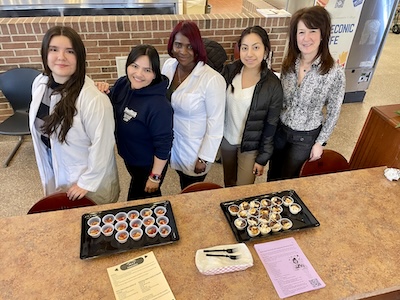
Faculty have increasingly been concerned about their students’ academic preparation and performance. There are multiple factors contributing to this, as we know, but one often overlooked issue has less to do with students’ brains than with their bellies. If you’re noticing more students who seem tired, listless, distracted as well as missing too many classes or simply disappearing, the culprit might well be food insecurity. As food prices continue to rise, many college students are finding it increasingly challenging to manage their finances, especially when it comes to affording meals. For some, difficult choices must be made: skip meals, eat less nutritious food or sacrifice paying for essentials or for gas to commute to school. Several factors affect a student’s ability to succeed academically, with the lack of funds for food being one of the most significant challenges. Because food insecurity is closely tied to community college retention rates, particularly for students from low-income backgrounds, that makes this everyone’s business. Below is some information and advice to help you better understand how we can help students succeed—which includes an invitation to our Weekly Nosh. Too much on their plates/too little on their plates Community colleges like SCCC often serve a diverse student body, including non-traditional students, part-time students and those juggling work and family responsibilities. Key contributors to food insecurity at SCCC include limited financial resources, rising living costs and the struggle to balance work and family obligations. As a full-time professor in the dietetic technician program, I often address food insecurity and the community resources available to students, such as state and federal assistance programs. Our curriculum highlights the negative impact food insecurity can have on students’ concentration, energy levels and overall health. Even short-term inadequate food intake can lead to decreased academic performance and higher dropout rates. Mental health also plays a significant role. The stress of food insecurity can be overwhelming, with insufficient nutrition and calorie intake contributing to mental health issues such as anxiety and depression. These additional challenges can further hinder academic success. Students dealing with food insecurity may be more likely to withdraw from courses due to the added financial stress and unmet basic needs, which can also result in health problems. Furthermore, feelings of shame and self-doubt often prevent students from seeking help or accessing available resources, as they may feel embarrassed about their situation. Many SCCC students juggle demanding schedules, balancing full course loads with multiple jobs. Students in online or evening courses often face limited access to on-campus dining services and may be unaware of or unable to access the campus food pantry. For others, caregiving responsibilities or living with family members add further complexity to their schedules and financial difficulties, sometimes leading them to rely on less nutritious or insufficient food options. Students with limited access to cooking facilities or little cooking experience are also more likely to experience food insecurity, struggling with food storage and safety. In these cases, students may cut back on their food intake or resort to cheaper, processed foods. They may also delay other essential expenses, such as rent, or depend on family members for financial support. Come nosh with us! If you’re on the Eastern Campus on a Wednesday, be sure to stop by the Peconic Café during Common Hour, where the dietetic technician program hosts a Weekly Nosh. As part of the program’s foodservice fieldwork course, students visit the campus food pantry to evaluate its inventory. They are tasked with creating a recipe using only food pantry items. The recipe must include at least three of the five MyPlate food groups and feature a protein (such as beans, lentils or peanut butter for plant-based options), a vegetable, a fruit, dairy and a starch, preferably a whole grain. After developing the recipe, students prepare the dish and offer samples to students and faculty, emphasizing that all ingredients come directly from the campus pantry. Students create a recipe sheet that includes nutritional information. Additionally, students share information about food accessibility at the college and provide food shopping and meal prep tips on a budget. The goal is to show students how even using a food pantry, it is possible to create wholesome, nutritious meals. We want to empower everyone to care for their health and well being since good health is critical for academic success. This is an excellent opportunity for students to get valabule hands-on, place-based experience in the world of dietetics and nutrition. Come nosh with us and see what these incredibly creative, resourceful students can do! |